


INTRODUCTION
In the demanding world of heavy-load machinery, the choice of gears is far from trivial. From massive conveyor systems to high-torque processing equipment, every component must deliver unwavering reliability and efficiency. As Malaysia’s industrial sector continues to expand and modernize, an expert consensus is emerging: the Double Helical Gear is increasingly recognized as the gold standard for high-load applications. But what sets double helical gears apart, and why are they particularly favored by Malaysian engineers and machinery operators? In this article, we examine the engineering principles, practical benefits, and local context that make double helical gears the preferred solution for tackling Malaysia’s most demanding mechanical challenges.
The Fundamentals of Double Helical Gears
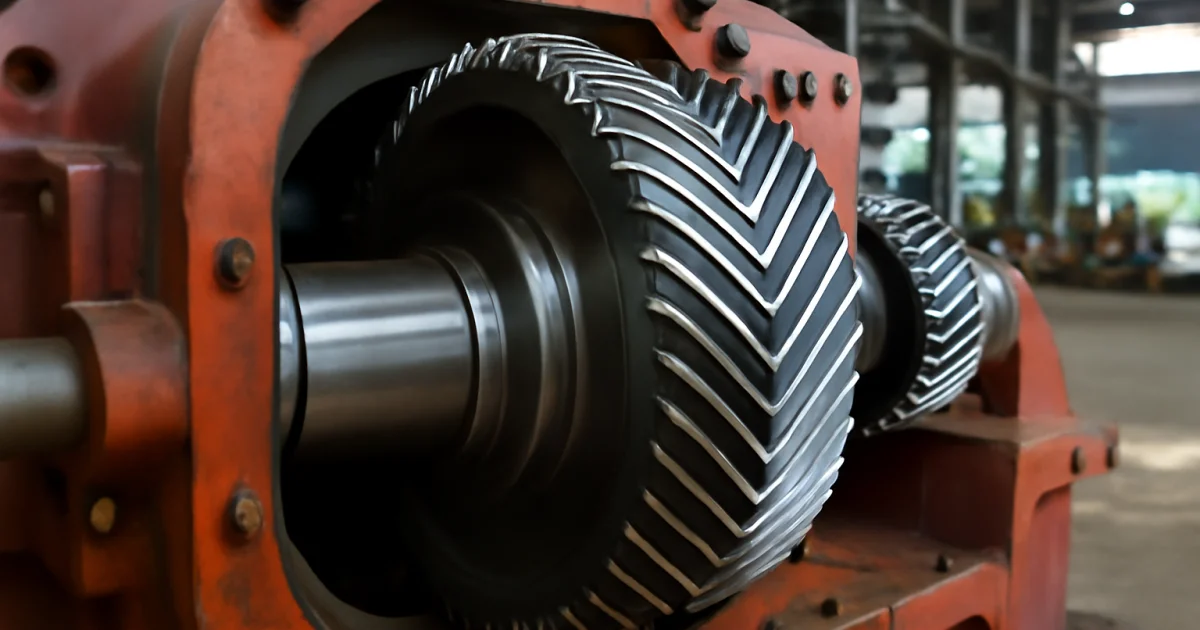
To appreciate their advantages, it’s essential to understand how double helical gears are constructed and how they differ from other gear types. At their core, double helical gears consist of two sets of helical teeth, cut in a mirror-image arrangement on the same gear blank. The distinctive V-shape (or “chevron”) profile is more than just visual—it is a direct response to mechanical challenges faced by high-load machinery.
Unlike standard helical gears, where the angled teeth generate axial thrust, the mirrored arrangement in double helical gears cancels out these forces. This results in smoother, quieter operation and less stress on bearings and housings—crucial in large-scale industrial installations. Compared to straight cut gears, double helical gears handle higher torques with less noise and vibration, making them ideal for continuous-duty applications.
Why Axial Thrust Matters in Heavy Machinery
Axial thrust is a significant concern in high-load gear drives. When only single helical gears are used, the angled teeth produce a force along the axis of rotation, pushing the gear sideways against its housing. Over time, this can lead to increased wear, bearing failure, and even catastrophic breakdowns—especially in high-power, high-speed machinery common across Malaysia’s manufacturing landscape.
By design, double helical gears neutralize axial forces. This self-balancing effect dramatically extends the lifespan of both the gear and its support components, reducing maintenance frequency and unplanned downtime. In industries where reliability is paramount—such as cement production, steel processing, and large-scale material handling—this advantage translates directly into reduced operating costs and higher productivity.
Key Advantages of Double Helical Gears: An Expert Perspective
- Superior Load Capacity: The broader tooth surface and continuous contact of double helical gears enable them to transmit higher loads smoothly, distributing stress efficiently across the gear face.
- Reduced Noise and Vibration: The opposing helix angles ensure a more uniform transfer of power, minimizing vibration and significantly lowering operational noise—a critical factor in large, enclosed facilities.
- Longer Service Life: With reduced axial thrust and balanced load distribution, double helical gears experience less wear and tear, resulting in longer intervals between overhauls.
- High Efficiency: The continuous engagement of teeth delivers efficient, slip-free power transmission even under fluctuating loads, supporting the rigorous demands of industries like mining, palm oil processing, and heavy manufacturing.
Real-World Applications in Malaysian Industry
Malaysia’s industrial sector is diverse, ranging from food processing plants to heavy-duty mining operations. The use of double helical gears is particularly prevalent in:
- Conveyor and Material Handling Systems: In palm oil mills, timber processing, and port facilities, robust gear systems are essential for moving large volumes of material reliably. Double helical gears excel in these continuous-duty environments.
- Gearboxes for High-Power Equipment: Equipment such as rotary kilns, cement mixers, and steel rolling mills demand gears that can handle extreme torque. Double helical arrangements allow for larger, more reliable gearboxes with minimal downtime.
- Automation and System Integration: As more Malaysian manufacturers adopt automation, the need for smooth, precise, and efficient gear solutions increases. Double helical gears support seamless integration into complex automated systems.
Notably, local gear manufacturers like MT Gear & Engineering Services Sdn. Bhd. play a pivotal role by offering custom double helical gear solutions tailored to specific machinery and environmental requirements found in Malaysia.
Comparing Double Helical Gears with Other High-Load Gear Types
While double helical gears offer clear advantages, an objective comparison with other gear types such as worm gears, bevel gears, and miter gears is essential for informed decision-making.
- Worm Gear & Worm Screw: Excellent for high reduction ratios and right-angle drives, but generally less efficient and not ideal for transferring large amounts of power due to sliding contact between the worm and the gear.
- Bevel and Miter Gears: Best suited for changing the axis of rotation, common in pump drives and differential systems. While robust, they may not match the load capacity and efficiency of double helical gears in parallel shaft applications.
- Straight Cut Gear: Simple and cost-effective, but noisier and less suitable for continuous high-load operations due to abrupt tooth engagement.
Double helical gears thus occupy a unique position: they combine the smooth operation of helical gears with enhanced durability and stability, making them the preferred choice where peak loads and reliability are non-negotiable.
Engineering Design: Customization for Malaysian Conditions
One of the most compelling reasons behind the adoption of double helical gears in Malaysia is the ability to customize gear design for local operating conditions. Factors such as tropical humidity, high ambient temperatures, and variable load cycles all influence gear performance. Leading gear manufacturers in Malaysia work closely with machinery builders and plant operators to specify tooth profiles, material grades, and surface treatments that maximize operational lifespan and efficiency.
For example, in the palm oil industry, gearboxes must withstand both high loads and corrosive processing environments. Custom-fabricated double helical gears, using high-grade alloys and precision machining, offer a solution that standard off-the-shelf gears cannot match. This engineering flexibility is a major advantage for buyers seeking long-term value and dependable performance.
Maintenance, Reliability, and Lifecycle Costs
The long-term cost of any machinery investment goes far beyond the initial purchase price. In Malaysia’s competitive manufacturing environment, minimizing unplanned downtime and maximizing equipment life are critical KPIs for engineers and plant managers. Here, double helical gears demonstrate clear superiority:
- Lower Maintenance Intervals: Reduced wear on bearings and housings means fewer shutdowns for inspection and replacement.
- Predictable Performance: The stable operation of double helical gearing translates to consistent output and less variability in production quality.
- Spare Parts Availability: With a growing number of gear manufacturers in Malaysia offering double helical designs, sourcing spares or replacements is increasingly straightforward, reducing lead times compared to imported solutions.
In expert opinion, the investment in high-quality double helical gears is quickly recouped through reduced downtime and lower maintenance costs—a crucial consideration for facilities running 24/7 operations.
Case Studies: Double Helical Gears in Action
Consider the following practical examples from Malaysian industry:
- Steel Processing Plant: A leading steel mill in Peninsular Malaysia upgraded its rolling mill gearboxes to double helical gear arrangements. The result was a 30% reduction in vibration-related downtime and a measurable decrease in bearing failures over two years.
- Palm Oil Refinery: Facing frequent gearbox issues in high-moisture environments, a major refinery partnered with MT Gear & Engineering Services Sdn. Bhd. to design custom double helical gears with advanced surface coatings. This solution extended gearbox life and improved throughput consistency.
- Automated Port Handling System: A port operator in Johor implemented double helical gear drives in automated cranes and conveyors, resulting in quieter operation and lower energy consumption—key factors in meeting environmental and safety standards.
These case studies illustrate how expert-designed double helical gears can resolve persistent mechanical challenges while supporting business goals.
Selection Criteria: Is a Double Helical Gear Right for Your Application?
While double helical gears offer numerous advantages, their suitability depends on several factors. As an expert opinion, consider the following criteria when evaluating gear solutions for your next high-load machinery project:
- Load Profile: Is your application subject to continuous heavy loads, or do you experience frequent start-stop cycles?
- Required Efficiency: Do you need maximum power transfer with minimal losses?
- Operating Environment: Will your gear system face extreme temperatures, humidity, or exposure to corrosive materials?
- Noise and Vibration Sensitivity: Are low noise and smooth operation priorities for your facility?
- Customization Needs: Do you require specialized tooth profiles or materials to meet unique operating demands?
If your answers indicate high demands for reliability, efficiency, and operational stability, a double helical gear is likely the optimal choice—especially when working with a supplier experienced in custom industrial gear fabrication.
Best Practices for Specifying Double Helical Gears in Malaysian Industry
Choosing the right double helical gear involves a collaborative process between buyers, engineers, and manufacturers. Here are several recommended steps and best practices to ensure the most effective outcome:
- Define Performance Requirements: Clearly specify torque, speed, duty cycle, and environmental factors. Comprehensive data enables the manufacturer to design gears that meet exact operational demands.
- Material Selection: Select materials based on load, wear resistance, and exposure to harsh conditions. For example, stainless steel or special alloy steels may be required in food or chemical processing plants.
- Precision Manufacturing: Insist on precision machining and quality assurance checks, including gear tooth accuracy, to guarantee smooth operation and longevity.
- Surface Treatments: Consider additional processes such as nitriding, carburizing, or advanced coatings to enhance wear resistance and corrosion protection.
- Installation and Alignment: Proper gear installation and shaft alignment are critical to performance. Misalignment can negate the noise and vibration benefits of double helical designs.
- Maintenance Planning: Develop a predictive maintenance program with regular inspections of lubrication, gear tooth condition, and bearing health to maximize service intervals.
By following these steps, Malaysian operators can extract maximum value and performance from their investment in double helical gears, reducing costly surprises down the road.
Common Mistakes to Avoid When Selecting Double Helical Gears
Even with the best intentions, buyers and engineers sometimes make avoidable errors during the gear selection process. Being aware of these pitfalls can help you achieve better outcomes:
- Overlooking Load Variations: Failing to account for peak and fluctuating loads can result in premature gear failure. Always build in a safety margin.
- Ignoring Environmental Hazards: Not specifying resistance to moisture, chemicals, or extreme heat may lead to rapid wear or corrosion.
- Underestimating Installation Complexity: Double helical gears require careful alignment and support. Skimping on installation expertise can diminish their benefits.
- Neglecting Local Support: Relying solely on imported components may cause extended downtime if spares are not readily available. Choose suppliers with strong local presence and after-sales support.
- Skipping Quality Assurance: Accepting gears without documented inspection or testing increases the risk of hidden defects.
Addressing these issues upfront helps ensure your double helical gear system delivers the reliability and efficiency expected in Malaysia’s challenging industrial environments.
Checklist: Evaluating Double Helical Gear Suppliers in Malaysia
To further assist in decision-making, use this quick checklist when comparing potential gear suppliers:
- Demonstrated experience with heavy-load, continuous-duty gear systems
- In-house engineering and customization capabilities
- Strong references and local industry case studies
- Comprehensive material and quality certification
- Responsive technical support and after-sales service
- Ability to commit to reasonable lead times for custom orders
Working with a supplier who meets these criteria offers peace of mind and positions your machinery for long-term success.
Conclusion: The Future of Heavy-Load Gear Solutions in Malaysia
As Malaysia’s manufacturing, processing, and infrastructure sectors continue to evolve, the demand for reliable, efficient, and long-lasting mechanical components will only increase. Based on engineering principles and real-world performance, the expert consensus is clear: double helical gears are the preferred solution for high-load, continuous-duty machinery. Their unique design advantages, proven reliability, and adaptability to local conditions make them central to Malaysia’s industrial future.
For machinery operators, engineers, and buyers seeking to optimize performance and minimize lifecycle costs, partnering with a trusted gear manufacturer—such as MT Gear & Engineering Services Sdn. Bhd.—ensures access to tailored solutions and technical expertise. In the world of heavy machinery, making the right gear choice is a decision that drives operational success for years to come.
Frequently Asked Questions
What are the main differences between double helical gears and helical bevel gear reducers?
Double helical gears feature two sets of opposing helical teeth that cancel out axial thrust, making them ideal for parallel shaft, high-load applications. Helical bevel gear reducers, on the other hand, combine helical and bevel gear principles to change the axis of rotation—commonly used for right-angle drives. While both types offer smooth operation, double helical gears excel in transmitting high torque along parallel shafts, whereas helical bevel gear reducers are best for applications where direction change is needed.
Why are double helical gears preferred in high-load Malaysian industries?
Double helical gears are favored in Malaysia’s high-load industries due to their superior load capacity, reduced noise and vibration, and minimal axial thrust. These features are especially valuable in continuous-duty environments like steel mills, palm oil processing, and automated port systems, where reliability and efficiency directly impact productivity.
How do I decide if a double helical gear is right for my machinery?
Consider your machinery’s load profile, duty cycle, efficiency requirements, and operating environment. If your application involves continuous high loads, demands low maintenance, and requires smooth, quiet operation, a double helical gear is likely an optimal choice. Consulting with a specialized gear manufacturer in Malaysia can help tailor the solution to your exact needs.
Can double helical gears be customized for harsh or unique environments?
Yes, many Malaysian gear manufacturers offer custom fabrication of double helical gears, including material selection, tooth profile, and surface treatments. This ensures the gear’s performance and durability in challenging environments such as high humidity, temperature extremes, or corrosive processing conditions.
What maintenance advantages do double helical gears offer over other gear types?
Double helical gears experience less wear on bearings and housings due to their self-balancing design, leading to longer service intervals and reduced unplanned downtime. Their reliable performance also helps maintain consistent output quality over extended periods, which is crucial for industries operating around the clock.
Upgrade Your Machinery with Precision Double Helical Gears
Looking to enhance your high-load machinery’s reliability and performance? MT Gear & Engineering Services Sdn. Bhd. specializes in manufacturing and customizing double helical gears and industrial transmission solutions for Malaysia’s most demanding environments. Benefit from over 20 years of precision engineering expertise, high-grade materials, and comprehensive after-sales support. Connect with our experts today to discuss your project’s unique requirements and discover how our tailored gear solutions can maximize your operational efficiency.