


INTRODUCTION
The Malaysian manufacturing sector stands at a pivotal crossroads—one defined by the relentless pursuit of efficiency, reliability, and precision. At the heart of this transformation lies a humble yet technologically advanced component: the Helical Gear Pinion. As an industry expert with over two decades immersed in gear manufacturing, I have witnessed firsthand how innovations in gear technology are quietly revolutionizing production floors, machinery, and entire business models across Malaysia.
The Strategic Role of Gears and Pinions in Malaysian Industry
In every manufacturing plant—from automotive assembly to food processing—gears and pinions are the silent workhorses, driving mechanical power, synchronizing movement, and ensuring the seamless operation of complex machinery. Historically, straight cut gears and basic spur designs dominated local applications. However, as Malaysian manufacturers aimed for higher productivity and lower downtime, the limitations of older gear types became apparent: excess noise, vibration, and rapid wear threatened both operational efficiency and product quality.
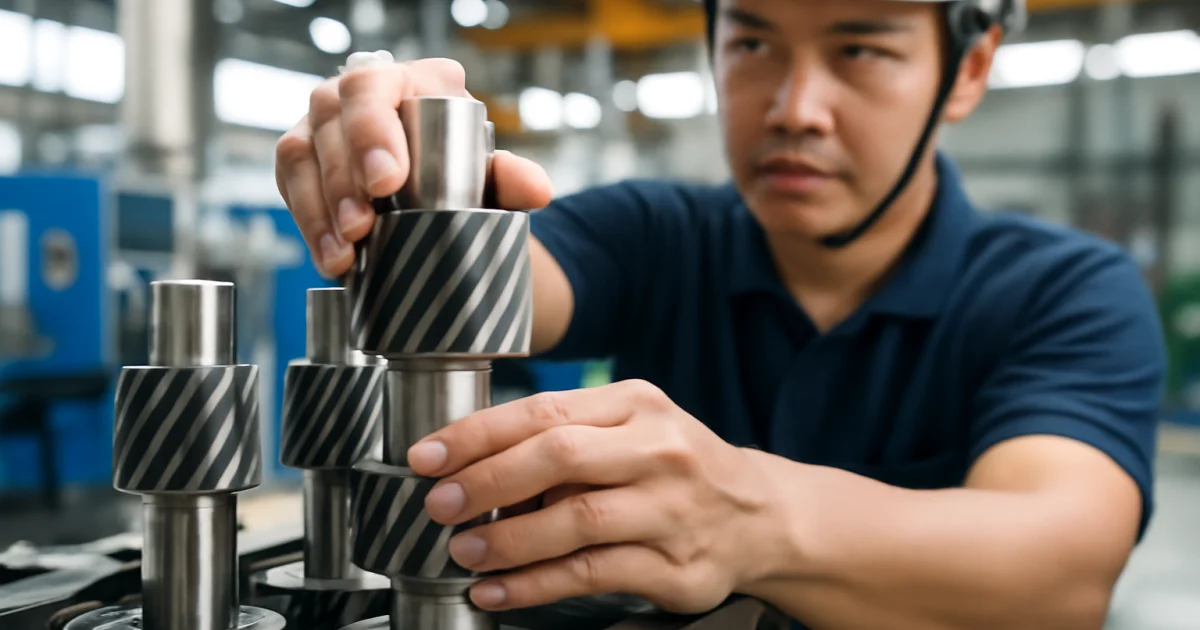
This is where Helical Gear Pinion systems have emerged as a game-changer. Their angled teeth engage gradually, resulting in smoother, quieter transmission of power and a significant reduction in mechanical stress. This innovation is not just technical—it is commercial, enabling Malaysian producers to compete globally by delivering superior reliability and lower maintenance costs.
Understanding Helical Gear Pinion Innovations
Modern Helical Gear Pinions differ from conventional gears in their engineering precision, material composition, and application flexibility. Today’s leading manufacturers, such as MT Gear & Engineering Services Sdn. Bhd., invest heavily in advanced gear machining and customized gear fabrication, combining high-grade steels with strict tolerance controls. This results in gears tailored for heavy load, high-speed, or continuous-duty environments commonly found in Malaysia’s evolving factories.
Furthermore, helical gear solutions are now integrated with complementary components, such as industrial couplings and sophisticated gear reducers—including helical bevel gear reducers and miter gears. These assemblies ensure optimal torque transfer, improved energy efficiency, and adaptability to various machinery footprints. The result: a new standard for industrial transmission systems that aligns with the ambitious growth targets of Malaysia’s manufacturing sector.
Expert Perspective: Why Malaysian Manufacturers Are Adopting Helical Gear Pinions
From my perspective, the widespread shift toward Helical Gear Pinion technology in Malaysia is driven by several practical factors:
- Reduced Downtime: Smoother engagement means less vibration, lower wear, and fewer breakdowns—critical for continuous production environments.
- Energy Efficiency: Improved power transmission translates to less wasted energy and lower operational costs.
- Precision & Customization: Modern gear fabrication services in Malaysia offer bespoke solutions for unique machinery, enabling integration with advanced automation and system upgrades.
- Longer Service Life: High-grade materials and precision machining mean gears last longer, reducing the need for frequent replacements and costly stoppages.
These advantages directly address the operational pain points of Malaysian manufacturers—particularly those in fast-growing sectors such as electronics, packaging, and resource processing—where downtime and maintenance costs can have a profound impact on competitiveness.
Case Study: Unlocking Efficiency in a Malaysian Packaging Plant
To illustrate the real-world impact of Helical Gear Pinion innovations, consider the example of a mid-sized packaging plant in Selangor. The facility struggled with excessive noise, frequent gearbox failures, and energy losses on its main conveyor lines—issues traced to outdated straight cut gear systems. By partnering with a local gear specialist to retrofit the conveyors with helical gear pinions and matched industrial couplings (such as the flexible NM and HRC couplings), the plant achieved:
- A 30% reduction in unplanned maintenance events
- Noticeably quieter operation, improving workplace safety and comfort
- Lower energy consumption, contributing to sustainability initiatives
- Extended gearbox service intervals through the use of high-grade, wear-resistant materials
This transformation not only improved production efficiency but also empowered the company to pursue new export opportunities, confident in the reliability of its machinery.
Technical Deep Dive: Helical vs. Straight Cut and Bevel Gears
It is essential for decision-makers to understand the differences between gear types. While straight cut (spur) gears are cost-effective and straightforward, they are more susceptible to noise and wear—especially at higher speeds. Helical gears, by contrast, distribute load more evenly across the tooth surface, allowing for higher torque transmission and smoother operation.
Bevel gears (including both straight and spiral varieties) and miter gears play critical roles in machinery requiring power transfer at angles, such as in right-angle drives or complex conveyor systems. Recent demand for miter gear and worm gear & worm screw solutions in Malaysia highlights a growing recognition of the value of specialized transmission products for unique industrial challenges. Selecting the right gear type depends on the machine’s function, load profile, and speed requirements—but for many, helical gear pinions now represent the optimal balance of performance and reliability.
Customization and Local Fabrication: Meeting Malaysia’s Unique Needs
One of the defining strengths of the Malaysian gear industry is its emphasis on customized engineering. Unlike imported, one-size-fits-all gears, local fabricators offer gear machining and gear fabrication services tailored to each application—from large-scale rack and pinion systems for heavy equipment to compact helical assemblies for automation lines. This flexibility enables manufacturers to optimize their machinery, extend equipment life, and react quickly to market changes.
For example, heavy machinery operators in Malaysia’s resource industries require gears capable of withstanding harsh environments and heavy loads. Advanced gear machining near me services provide rapid turnaround for emergency replacements and upgrades. Similarly, SMEs and system integrators benefit from affordable, precision-engineered solutions that might otherwise be inaccessible if relying solely on overseas suppliers.
Integration with Modern Transmission Components
Helical Gear Pinions are rarely used in isolation. To maximize their benefits, they are integrated with a range of transmission products, including:
- Industrial couplings (chain, flexible NM, HRC, jaw, and nylon gear types)
- Gear reducers and gearboxes (including helical bevel gear reducers)
- Rack and pinion assemblies for linear motion
- Worm gears and worm screws, especially where compact, high-torque solutions are needed
This systems-oriented approach ensures smooth power transfer, minimal backlash, and high reliability across diverse machinery platforms. It also simplifies maintenance—replacement of couplings or pinions can be completed quickly, minimizing production downtime.
Innovation Spotlight: Material Science and Precision Engineering
Recent advances in material science have further elevated the performance of helical gear pinions. Leading Malaysian manufacturers now use high-grade alloys and advanced heat treatment processes to achieve superior wear resistance, load capacity, and corrosion protection. Coupled with precision engineering and stringent quality inspection, these innovations mean local customers receive gear products that meet or exceed international standards.
For instance, the adoption of precision CNC machining allows for tighter tolerances and more complex gear geometries—enabling custom solutions for unique machinery challenges. This is particularly relevant for engineering firms and automation companies seeking to integrate gears into new or retrofitted production lines.
Practical Steps for Adopting Helical Gear Pinion Solutions
For manufacturers considering a transition to advanced gear technology, a structured approach ensures optimal results. Based on industry best practices and successful projects across Malaysia, here is a comprehensive step-by-step guide:
- Conduct a Detailed Machinery Audit: Begin with a thorough assessment of your facility’s current gear systems. Identify sources of excessive noise, vibration, or frequent maintenance, and consult maintenance logs for recurring issues.
- Define Performance Objectives: Establish clear goals—such as increased uptime, improved energy efficiency, or quieter operation—to guide the selection of gear solutions and measure ROI.
- Engage with Reputable Local Suppliers: Partner with established Malaysian gear manufacturers who offer not only product supply but also technical consulting, on-site measurement, and customization services.
- Evaluate Material and Design Options: Discuss specific requirements with your supplier regarding load, speed, and environmental conditions. Consider options for corrosion-resistant coatings, heat-treated alloys, or custom tooth geometries.
- Plan System Integration: Review the full power transmission chain—including couplings, reducers, and connected machinery—to ensure compatibility and maximize benefits from your investment.
- Implement and Monitor: Oversee installation with support from your supplier’s technical team. After commissioning, monitor the system’s performance closely, tracking key metrics such as downtime, maintenance frequency, and energy use.
- Continuous Improvement: Schedule regular reviews with your supplier and internal maintenance teams to identify further optimization opportunities, ensuring your machinery remains at peak performance.
Common Mistakes to Avoid When Upgrading Industrial Gears
While the benefits of modern gear solutions are significant, several pitfalls can undermine a successful upgrade:
- Overlooking System Compatibility: Failing to consider the full drive system can result in mismatched components, leading to mechanical failure or suboptimal operation.
- Ignoring Maintenance Practices: Even with advanced gears, neglecting lubrication and regular inspection will shorten service life and erode ROI.
- Underestimating Customization Needs: Relying on off-the-shelf imports instead of tailored solutions can leave unique operational challenges unaddressed.
- Focusing Solely on Upfront Cost: Cheaper, low-quality gears may cost less initially but lead to higher total ownership costs due to frequent replacements, downtime, and lost productivity.
By being aware of these common mistakes, manufacturers can make more informed decisions and fully realize the benefits of Helical Gear Pinion technology.
Checklist: Ensuring a Successful Gear System Upgrade
- Complete a full audit of existing transmission systems
- Set clear and measurable performance goals
- Engage reputable, experienced local gear suppliers
- Review and specify material and design requirements
- Assess system integration and compatibility
- Plan for installation support and post-commissioning follow-up
- Establish a maintenance and monitoring schedule
- Review results and optimize as needed
Sector Spotlights: Expanding Impact Across Malaysian Industries
While Helical Gear Pinion innovations have made headlines in sectors like automotive and packaging, their impact is spreading rapidly across other key Malaysian industries. For example, in the palm oil and agricultural processing sector, upgrading to robust, precision-engineered gears has dramatically increased uptime and reduced costly unplanned breakdowns during harvest peaks. In electronics and semiconductor manufacturing, where particle-free environments and noise control are crucial, helical gear systems have enabled high-speed, low-vibration automation for improved product quality.
Construction equipment manufacturers and resource extraction operations are also leveraging high-strength, corrosion-resistant gears to handle demanding workloads with less maintenance, ensuring continuous operation in harsh environments. SMEs in the food and beverage sector, meanwhile, appreciate the availability of local, custom-fabricated pinions and couplings that can be rapidly delivered and installed, keeping production lines agile and responsive to shifting market demands.
Looking Ahead: The Future of Gear Technology in Malaysia
Malaysia’s manufacturing future will be shaped by its ability to adopt, integrate, and innovate with advanced mechanical components. As the global economy shifts toward automation, digitalization, and sustainable practices, the demand for reliable, efficient, and customizable gear solutions will only intensify. Local manufacturers who invest today in state-of-the-art gear technology—supported by expert engineering and a commitment to continuous improvement—will be best positioned to thrive in the years ahead.
In my expert opinion, the rise of advanced Helical Gear Pinion solutions marks a turning point for Malaysian manufacturing. As local producers continue to embrace these innovations—supported by expert engineering, custom fabrication, and a holistic approach to mechanical transmission—Malaysia is poised to achieve new levels of productivity, competitiveness, and technical capability. The future will belong to those who recognize the strategic value of investing in the right gear technology today.
Frequently Asked Questions
What is a Helical Gear Pinion and how does it differ from other gear types?
A Helical Gear Pinion is a type of gear with angled teeth, designed for smoother and quieter power transmission compared to straight cut (spur) gears. The angled tooth design allows gradual engagement, reducing vibration and wear, making it ideal for high-speed and continuous-duty industrial applications.
Why are Malaysian manufacturers shifting to Helical Gear Pinion solutions?
Malaysian manufacturers are adopting Helical Gear Pinion systems because they offer improved reliability, reduced noise, greater energy efficiency, and longer service life. These benefits help lower maintenance costs and increase production uptime, critical for remaining competitive in global markets.
How do Helical Gear Pinions integrate with other transmission components?
Helical Gear Pinions are often used alongside industrial couplings, gear reducers (such as helical bevel gear reducers), rack and pinion assemblies, and worm gear systems. This integrated approach ensures smooth torque transfer, efficient operation, and simplified maintenance across different machinery types.
Can local Malaysian companies provide customized gear solutions?
Yes, many Malaysian gear manufacturers offer customized gear fabrication and machining services. They can design and produce gears to precise specifications, addressing unique operational needs across various industries, from heavy equipment to automated production lines.
What are the key considerations when upgrading to Helical Gear Pinion technology?
Key considerations include evaluating existing gear systems for wear or inefficiency, selecting suppliers with expertise in precision engineering and high-quality materials, and ensuring the new gear pinions are compatible with existing couplings and transmission components for a holistic upgrade.
Unlock the Full Potential of Your Machinery with MT Gear & Engineering Services
Ready to transform your manufacturing operations with advanced Helical Gear Pinion solutions? MT Gear & Engineering Services Sdn. Bhd. offers precision-engineered gears, customized fabrication, industrial couplings, and expert technical support. Partner with a trusted Malaysian leader to boost reliability, efficiency, and long-term performance in your production line. Contact us today for a tailored consultation and discover how we can help elevate your business.