


INTRODUCTION
In modern manufacturing and industrial environments, the reliability of power transmission systems directly impacts productivity and operational costs. Among the critical components, the Spiral Bevel Gear plays a pivotal role in transmitting torque at right angles with high efficiency and smooth motion. However, to achieve prolonged service life and optimal performance, these gears require careful and regular maintenance. This guide explores comprehensive best practices for maintaining spiral bevel gears in industrial transmission systems, offering actionable advice for maintenance engineers, system integrators, manufacturers, and machinery operators across Malaysia and the broader region.
Understanding Spiral Bevel Gears in Industrial Applications
Spiral bevel gears are a type of bevel gear designed with curved teeth, enabling gradual engagement and smooth, quiet operation. Unlike straight cut gears or miter gear configurations, spiral bevel gears are ideal for high-load, heavy-duty machinery where noise reduction and efficiency are paramount. Typical applications include gear reducers, conveyor drives, machine tools, and heavy equipment gearboxes. Proper maintenance ensures these gears withstand demanding loads, minimize vibration, and deliver continuous power transmission.
Comparing Gear Types: While spiral bevel gears excel in right-angle drives with high load capacity, alternative gears such as helical or worm gears may be used in parallel or non-intersecting shaft arrangements. Understanding the unique advantages of spiral bevel gears—such as superior torque handling and reduced noise—can help engineers select the optimal gear type for each application.
Additionally, spiral bevel gears are often custom-fabricated to meet specific machinery requirements, especially in sectors like automotive, mining, and heavy manufacturing. Their robust construction and adaptability make them a preferred choice for mission-critical operations, where any unexpected failure could have significant operational and financial repercussions.
Why Maintenance Matters: The Cost of Gear Failure
Gear failure is among the leading causes of unscheduled downtime in manufacturing plants. Inadequate maintenance can result in:
- Premature gear wear or tooth breakage
- Increased vibration, noise, and heat generation
- Damage to associated transmission products, such as couplings and bearings
- Costly repairs or full gearbox replacement
Routine inspection and adherence to best practices reduce these risks, support equipment longevity, and maximize return on investment in precision gear manufacturing.
Hidden Costs of Neglect: Beyond immediate repair expenses, unplanned outages caused by gear failure can lead to missed production targets, delayed deliveries, and reputational harm. In some industries, even a few hours of downtime can translate to significant revenue loss, underscoring the importance of a proactive maintenance approach.
Establishing a Spiral Bevel Gear Maintenance Program
A systematic maintenance program begins with a thorough understanding of your gear system’s operational demands, load cycles, and lubrication requirements. Key steps include:
- Baseline Assessment: Document the gear’s specifications, manufacturer recommendations, and service history.
- Preventive Scheduling: Set regular inspection intervals based on operating hours, load, and environmental conditions.
- Training: Ensure maintenance teams are equipped with proper knowledge on gear types, such as spiral bevel, worm, and helical gears, and understand how each responds to different stresses.
Checklist for Maintenance Program Setup:
- Catalog all gears and related transmission components in the facility
- Develop a logbook or digital system to track inspections, findings, and actions taken
- Align maintenance schedules with production cycles to minimize disruption
- Stock critical spare parts (such as bearings, couplings, or replacement gears) to reduce downtime in the event of a failure
- Regularly review and update maintenance protocols based on inspection data and operational feedback
Engaging expert partners like MT Gear & Engineering Services Sdn. Bhd. provides access to technical support and customized solutions for both routine and complex maintenance scenarios.
Routine Inspection: Detecting Issues Before Failure
Regular visual and operational inspections are essential for early detection of wear or misalignment. Best practices include:
- Checking for abnormal tooth wear, pitting, or scoring
- Listening for unusual noise or vibration during operation
- Measuring backlash and gear tooth contact patterns with bluing compound
- Inspecting the condition of associated couplings, such as MH coupling or flexible couplings, and verifying shaft alignment
- Monitoring for lubricant leaks or contamination in gearboxes and transmission housings
Document all findings and compare against previous inspection data to identify trends or emerging issues. Use of advanced tools—such as vibration analysis, endoscopes, and thermal imaging—can further enhance detection accuracy.
Common Inspection Mistakes to Avoid:
- Neglecting hard-to-reach gears or inaccessible gearbox internals
- Failing to correlate inspection results with changes in machine performance
- Overlooking subtle changes in noise or vibration that may signal early-stage wear
Tip: Implement a color-coded tagging system for gears based on their current condition (e.g., green for normal, yellow for observed wear, red for urgent attention) to help prioritize maintenance actions.
Lubrication: The Lifeblood of Spiral Bevel Gear Longevity
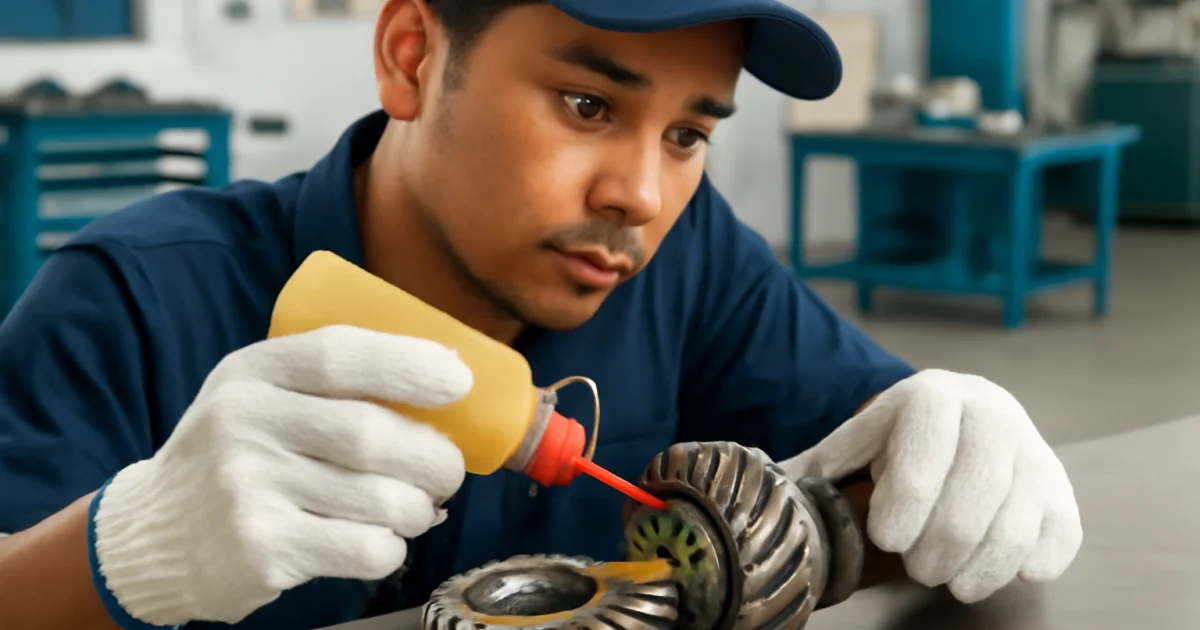
Proper lubrication prevents direct metal-to-metal contact, dissipates heat, and flushes away contaminants. Follow these lubrication best practices:
- Use Manufacturer-Recommended Lubricants: Select the correct oil viscosity and additive package for spiral bevel gears under heavy load or high-speed conditions.
- Monitor Oil Condition: Regularly sample and analyze lubricant for contamination, viscosity breakdown, or presence of metal particles. Change oil at recommended intervals, or sooner if analysis indicates degradation.
- Apply Correct Lubrication Methods: For enclosed gearboxes, ensure splash, bath, or forced oil systems are working effectively. For open gears, use proper applicators and avoid over-lubrication, which can attract dust and debris.
- Maintain Lubrication Systems: Inspect and clean filters, check seals, and ensure lubrication lines are free from blockages.
Consistent lubrication practices reduce friction, prevent overheating, and prolong the gear’s operational life.
Advanced Lubrication Considerations: In high-temperature or heavily loaded environments, synthetic lubricants may offer superior film strength and thermal stability compared to mineral oils. Implementing automated lubrication systems can further ensure consistent application and reduce human error, especially in multi-shift operations.
Lubrication Log Sheet Example:
- Date and time of lubrication
- Type and quantity of lubricant applied
- Lubricant condition (e.g., color, presence of debris)
- Observations or anomalies (e.g., unusual noise, leak, or temperature)
Alignment and Backlash: Ensuring Smooth Operation
Accurate gear alignment is crucial for spiral bevel gear performance. Misalignment can cause uneven wear, noise, and premature failure. Maintenance best practices include:
- Check Shaft and Housing Alignment: Use dial indicators or laser alignment tools to verify concentricity and squareness of shafts and housings.
- Adjust Backlash: Follow manufacturer guidelines for optimal backlash settings—too little increases the risk of binding, while too much can cause shock loading and noise.
- Inspect Couplings: Ensure couplings (e.g., MH coupling, flexible, or jaw type) are correctly installed, with no excessive play or wear.
After any adjustment or part replacement, retest gear operation under load and monitor for abnormal behavior.
Scenario: Impact of Misalignment
In a food processing plant, a misaligned spiral bevel gear led to excessive vibration and noise, eventually causing pitting on the gear teeth and an unplanned shutdown. By implementing regular alignment checks and investing in laser alignment tools, the facility reduced vibration incidents and extended the lifespan of their gearboxes.
Common Failure Modes and How to Prevent Them
Understanding typical failure modes helps maintenance teams take targeted action. Common issues with spiral bevel gears include:
- Surface Fatigue: Caused by repeated stress cycles; prevented by using high-grade materials and maintaining correct lubrication.
- Scuffing and Scoring: Result from lubricant failure or excessive load; address by ensuring proper lubricant and checking for overload conditions.
- Breakage: Often due to sudden shock loads, misalignment, or material defects; prevent by monitoring for excessive vibration and ensuring gears are manufactured to precise tolerances.
- Corrosion: Occurs in humid or contaminated environments; mitigate by using sealed housings and regular cleaning.
Employing a proactive approach—combining routine monitoring, timely lubrication, and expert consultation—significantly reduces these risks.
Preventive Checklist for Failure Modes:
- Confirm correct material and heat treatment for gear application
- Regularly inspect for early signs of fatigue (e.g., microcracks or surface spalling)
- Verify load limits and adjust process parameters to avoid overloading gears
- Ensure environmental controls (such as dehumidifiers or sealed housings) are in place for installations exposed to moisture
Best Practices for Gear Replacement and Upgrades
Even with exemplary maintenance, gears may eventually require replacement or upgrading to meet new operational demands. Best practices include:
- Source from Trusted Manufacturers: Choose reputable suppliers like MT Gear & Engineering Services Sdn. Bhd. for precision-fabricated spiral bevel, miter, and helical gears.
- Specify Requirements Accurately: Provide complete details on gear dimensions, pressure angles, material grades, and required performance characteristics.
- Consider Upgrades: Modern gear materials and surface treatments (e.g., case hardening, nitriding) can enhance durability and reduce downtime.
- Professional Installation: Have experienced technicians handle gear fitting, alignment, and initial run-in for optimal performance.
Upgrading to next-generation transmission products, such as advanced gear reducers or high-efficiency couplings, can further enhance system reliability and efficiency.
Case Study: Gear Upgrade Success
A packaging plant in Penang faced frequent downtime due to gear wear in their conveyor systems. By upgrading to spiral bevel gears with advanced surface treatments and installing new MH couplings, the maintenance interval for the line doubled, resulting in significant cost savings and improved production output.
Case Example: Spiral Bevel Gear Maintenance in an Industrial Plant
Consider a manufacturing facility in Malaysia operating continuous-duty conveyors powered by spiral bevel gearboxes. The plant maintenance team implemented a structured program involving quarterly inspections, oil analysis, and annual alignment checks. By partnering with an experienced gear fabrication and machining provider, the team sourced high-quality replacement gears when excessive wear was detected, minimizing downtime. Additionally, the use of MH couplings and proper shaft alignment eliminated recurring vibration issues, resulting in smoother operation and extended gear service life.
Lessons Learned: The plant’s success highlights the importance of consistent data tracking, open communication between operators and maintenance teams, and the value of working with specialized engineering partners for sourcing and technical support. These practices can be applied to other facilities seeking to boost transmission system reliability.
Partnering for Success: Engineering Support and Technical Expertise
Effective maintenance is not a one-time task but an ongoing commitment. Engaging with specialized providers—such as MT Gear & Engineering Services Sdn. Bhd.—offers valuable benefits:
- Access to a broad range of gear types, including spiral bevel, miter, worm, and helical gears
- Customized gear solutions for unique machinery requirements
- Expert consultation on gear machining, lubrication, and system upgrades
- Comprehensive after-sales technical support to ensure optimal gear performance
How to Choose the Right Partner:
- Evaluate the provider’s track record in your industry
- Assess their ability to offer quick turnaround on custom gear fabrication
- Seek testimonials or case studies demonstrating problem-solving capabilities
- Confirm their technical team’s expertise in gear design, diagnostics, and installation
Reliable engineering partners help manufacturing companies, system integrators, and maintenance providers maintain productivity, minimize costs, and future-proof their transmission systems.
Conclusion: Proactive Maintenance Secures Long-Term Gear Reliability
Maintaining spiral bevel gears in industrial transmission systems demands a disciplined approach combining regular inspection, correct lubrication, precise alignment, and timely upgrades. By following these best practices, organizations can ensure smooth, efficient machinery operation, reduce unexpected failures, and extend the service life of critical power transmission components. In high-demand environments—such as those found in Malaysia’s manufacturing, automation, and heavy industries—investing in expert support and high-quality gear products from trusted providers is the key to long-term operational success.
Frequently Asked Questions
What are the main signs that a spiral bevel gear needs maintenance or replacement?
Key indicators include unusual noise or vibration, visible tooth wear or pitting, increased backlash, lubricant contamination, and sudden temperature rises in the gearbox. Regular inspections can help identify these issues early and prevent unexpected failures.
How often should spiral bevel gears in industrial transmission systems be inspected?
Inspection frequency depends on operating conditions, load cycles, and manufacturer recommendations. For most industrial applications, quarterly visual and operational inspections, coupled with annual alignment checks and lubricant analysis, provide a solid foundation for preventive maintenance.
What is the best lubricant for spiral bevel gears in heavy-duty machinery?
Use lubricant specified by the gear manufacturer, typically industrial-grade gear oils with extreme pressure (EP) additives. The correct viscosity and additive package depend on speed, load, and operating environment. Regular oil analysis is recommended to ensure ongoing protection.
How does proper alignment impact the service life of spiral bevel gears?
Proper alignment ensures even load distribution across gear teeth, reduces wear, and minimizes noise or vibration. Misalignment can cause premature tooth damage, increase friction, and lead to costly downtime. Precision alignment, verified with dial indicators or laser tools, is essential for gear longevity.
Can maintenance teams perform gear machining or fabrication in-house, or should they partner with specialists?
While basic inspections and lubrication can be handled in-house, precision gear machining and fabrication require specialized equipment and expertise. Partnering with a dedicated provider ensures that replacement gears meet exact specifications and quality standards, minimizing the risk of future failures.
Enhance Spiral Bevel Gear Reliability with MT Gear & Engineering Services Sdn. Bhd.
Ready to secure your industrial transmission systems with expert gear maintenance and support? Trust MT Gear & Engineering Services Sdn. Bhd. for precision-engineered spiral bevel gears, custom fabrication, and comprehensive after-sales assistance. Our team combines over 20 years of experience with cutting-edge manufacturing and technical expertise to keep your operations running smoothly and efficiently. Contact us today to discuss your gear maintenance needs or to explore customized gear solutions tailored to your machinery.